


Pfau Cochran Vertetis Amala is investigating claims on behalf of survivors who may have been harmed by Sydney Mills, a former officer with the Saugerties Police Department in Ulster County, New York. On September 2, 2026, Mills was sentenced to five years in state prison followed by ten years of post-release supervision for the sexual abuse of a child under the age of 15. He will be required to register as a sex offender.
What the Court Record Shows
Mills, 54, was arrested on July 14, 2025 following a months-long investigation that began when the Saugerties Police Department received a tip. According to the department’s own public statement, an officer received information about the situation and reported it directly to the chief of police, who then worked with Ulster County District Attorney Emmanuel Nneji on an independent investigation.
Investigators determined that between April and October of 2022, Mills repeatedly raped and sexually abused a girl who was 14 years old when the abuse began. He was a full-time Saugerties police officer at the time. An Ulster County grand jury returned a five-count indictment charging second-degree criminal sexual act against a victim under 15, criminal sexual act against a victim under 17 by a person over 21, two counts of third-degree rape of a person incapable of consent, and a misdemeanor count of third-degree sexual abuse.
On June 15, 2026, Mills pleaded guilty in Ulster County Court to second-degree criminal sexual act, a felony, admitting in open court that he committed the offense in 2022 while employed as a police officer. The remaining four counts were dismissed as part of the plea agreement. Judge Bryan Rounds imposed sentence on September 2, 2026. Mills has been jailed since his arrest, and that time counts toward the five-year term.
At sentencing, the survivor described Mills as a man she had once trusted as a father figure, and said she stayed silent for more than a year because he had threatened violence if anyone learned what he had done.
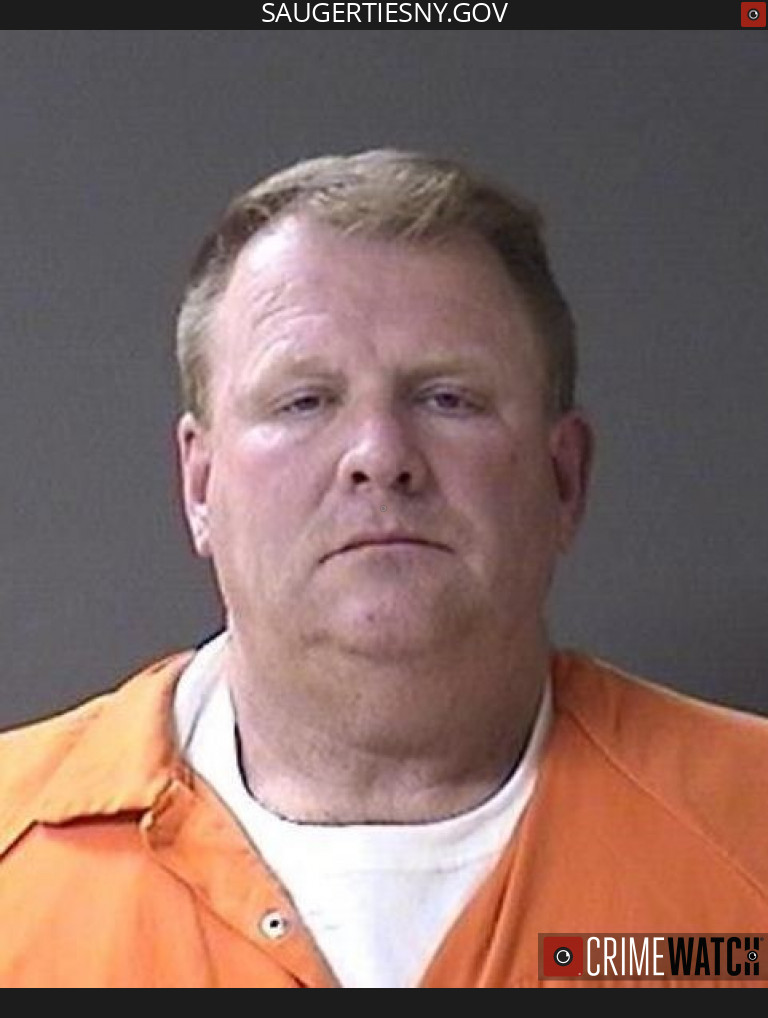
Abuse Committed Under Color of Authority
One detail from the sentencing hearing matters a great deal to any civil case. The survivor stated that abuse occurred while Mills was in full police uniform, wearing his duty belt and service weapon.
That is not incidental. When a police officer uses the uniform, the badge, and the authority the public grants him to gain access to a child and to keep her silent, the harm is not separable from the job. It raises direct questions about the department that issued that uniform, about how Mills was hired and supervised, and about whether any concern was ever raised and left unaddressed.
A Department Under Scrutiny
The Mills prosecution was not an isolated event for Saugerties. Earlier in 2025, a different former Saugerties officer, Dion Johnson, pleaded guilty to charges including official misconduct and second-degree criminal trespass following a September 2024 indictment. Two days after Mills was arrested, the Saugerties Town Board issued a formal statement acknowledging that an officer’s arrest damages public trust and committing to stricter accountability and continued oversight of local police operations.
The investigation into Mills also led to the discovery of unrelated abuse elsewhere in the community. A former Saugerties High School wrestling coach, Reid Kappler, pleaded guilty in January 2026 to three counts of third-degree rape involving conduct in 2023, and was sentenced to six and a half years in state prison. His crimes came to light during the Mills investigation.
Why This Matters for Survivors and Families
A criminal sentence resolves the state’s case. It does not resolve what a survivor is owed. A civil claim is a separate action, brought by the survivor rather than by a prosecutor, and it is the only route to compensation for counseling and treatment, lost opportunity, and the long-term effects of abuse.
A guilty plea also strengthens a civil case considerably, because the central factual question has already been answered by the person’s own admission in open court.
Civil claims can reach beyond the individual. When an officer uses the access and credibility that come with a badge to harm a child, the question becomes whether the employing agency knew or should have known of a risk, and whether its hiring, supervision, and complaint-handling practices met the standard the law requires. Those questions get answered through civil discovery, not through a criminal sentencing.
New York gives survivors of childhood sexual abuse a considerably longer window to file than most other claims allow, but the specific deadline depends on the survivor’s age, the dates involved, and whether a public entity is a defendant. Those rules are worth confirming with an attorney early rather than assuming a case is too old or too late.
If You or Your Child Had Contact with Sydney Mills
One survivor came forward in this case, and her decision to do so also brought a second offender to account. In cases involving law enforcement, others frequently stay silent, often because of the authority the person held, or because they were told no one would believe them. If you believe you, your child, or someone you know may have been harmed by Sydney Mills during his time with the Saugerties Police Department, PCVA can talk with you privately about your options.
There is no cost to speak with us, the conversation is confidential, and there is no obligation to move forward.
Sydney Mills In The News
Frequently Asked Questions
Was Sydney Mills convicted?
Yes. Mills pleaded guilty on June 15, 2026 to second-degree criminal sexual act, a felony, and admitted in open court that he committed the offense in 2022 while employed as a Saugerties police officer. He was sentenced on September 2, 2026 to five years in state prison and ten years of post-release supervision, and he will be required to register as a sex offender.
The criminal case is over. Is it too late to do anything?
No. A criminal case and a civil case are separate. The criminal case was brought by the district attorney on behalf of the state, and it has now concluded. A civil claim is brought by the survivor, and it is the only process that can result in compensation. The end of the criminal case does not close the civil door.
Does his guilty plea help a civil case?
It generally does. In many abuse cases, the central dispute is whether the conduct happened at all. Here, Mills admitted it under oath in open court. That admission is part of the public record.
Can the Saugerties Police Department or the Town of Saugerties be held responsible?
That depends on the facts, and it is one of the main questions PCVA is investigating. When an officer uses the access, credibility, and authority that come with a badge to harm a child, the law asks whether the employing agency knew or should have known of a risk, and whether its hiring, supervision, and complaint-handling practices met the required standard. Those questions are answered through civil discovery, which is a process the criminal case never triggered.
How long do I have to file?
New York gives survivors of childhood sexual abuse a much longer window than most other claims allow. The precise deadline depends on your age, the dates involved, and whether a public entity is a defendant, and claims against a municipality can carry additional procedural requirements. This is the single most important thing to have checked early. Do not assume your case is too old, and do not assume you have unlimited time.
What if I never reported it to anyone?
Most survivors do not report at the time, and delayed disclosure is expected rather than unusual, particularly when the person responsible held authority or made threats. Not having reported does not prevent you from bringing a claim.
What if I am not certain that what happened qualifies?
You do not need to be certain, and you do not need to have decided anything. Part of what a consultation is for is answering that question. If we do not think there is a claim, we will tell you.
Will my name become public?
Your conversation with PCVA is confidential, and speaking with us does not commit you to filing anything. If a case is eventually filed, courts sometimes permit survivors of sexual abuse to proceed anonymously or under initials, though that is decided case by case. We will explain how it would work in your situation before any decision is made, and nothing gets filed without your agreement.
What can a civil claim actually provide?
Civil claims can seek compensation for counseling and mental health treatment, medical costs, lost educational or professional opportunity, and the long-term effects of the abuse. They can also compel an institution to produce records and answer questions under oath about what it knew.
What does it cost to speak with PCVA?
Nothing. The consultation is free and confidential, and there is no obligation to move forward.
What if the person who harmed me was someone else connected to Saugerties?
We want to hear from you. The investigation into Mills also surfaced abuse by a former Saugerties High School wrestling coach, who pleaded guilty in January 2026 and is now serving a state prison sentence. Abuse in one institution often points to gaps in another. If you were harmed by someone else in a position of trust in the Saugerties area, reach out and we will talk through it.